Jonas Foster · 7 September 2026
Shifts in Hair Care Practices During Transitional Weather Patterns and Their Effects on Texture
Transitional weather patterns bring fluctuating temperatures and humidity levels that alter hair texture in measurable ways, prompting adjustments in daily routines across many regions. Data from climate monitoring shows that periods like early autumn and spring feature rapid shifts between dry and moist air, which affect how hair strands absorb or repel moisture. Researchers have documented these changes through observational studies that track porosity and elasticity before and after weather events.
Weather Influences on Hair Structure
Hair responds to environmental moisture because the cuticle layer expands or contracts based on relative humidity, and this process becomes pronounced during seasonal transitions. When humidity rises quickly, strands absorb water and swell, which can loosen curl patterns or create frizz in straight textures. Lower humidity pulls moisture out, leaving hair brittle and prone to breakage, according to measurements collected by meteorologists tracking atmospheric conditions. Observers note that these effects compound over several weeks as weather systems move through an area.
Studies indicate that temperature swings also play a role by changing sebum production on the scalp, which in turn influences how products interact with the hair shaft. In September 2026, ongoing climate records show continued variability in mid-latitude zones, where alternating warm fronts and cooler air masses create repeated cycles of damp and arid days. Those patterns lead individuals to rotate between heavier conditioning agents and lighter protective sprays within the same month.
Adjustments in Routine and Product Selection
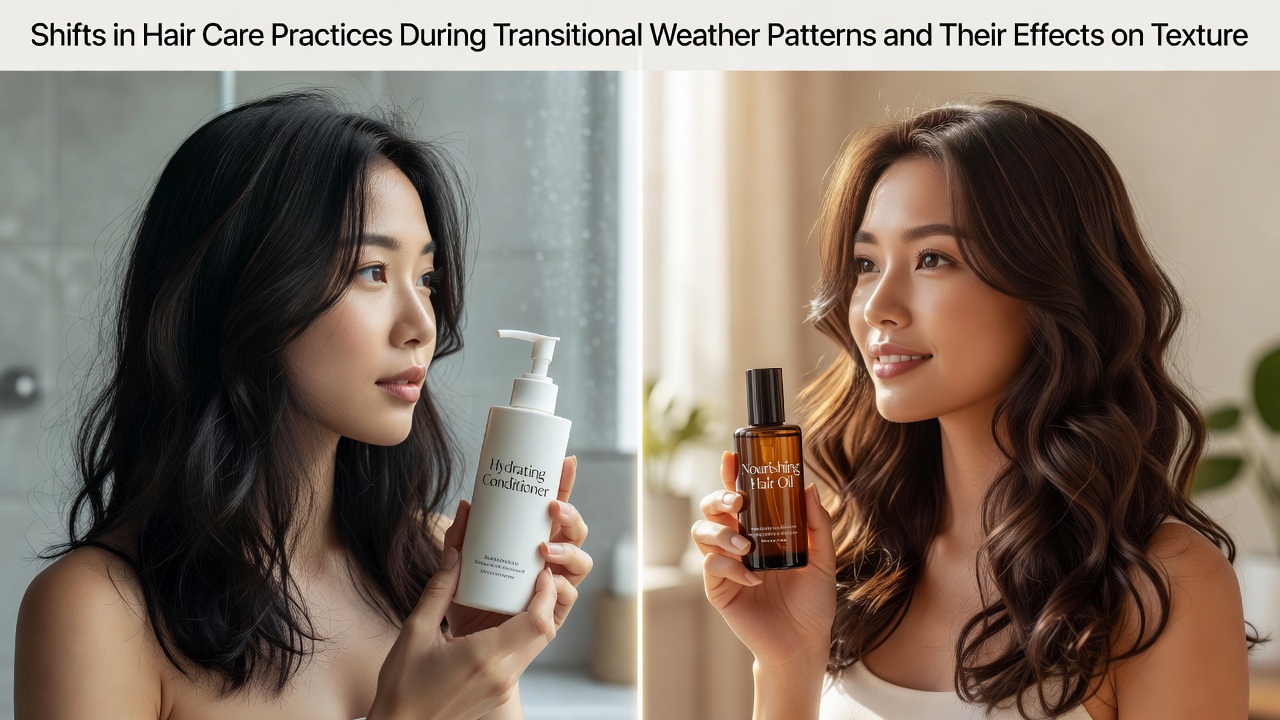
People adapt their regimens by monitoring local forecasts and switching formulations accordingly, often moving from oil-based treatments suited for dry spells to water-soluble ones during humid stretches. Data shows increased purchases of anti-frizz serums and lightweight leave-ins during these windows, while deep-conditioning masks see reduced use until drier conditions return. Experts have observed that consistent rotation prevents buildup that otherwise weighs down strands and flattens texture.
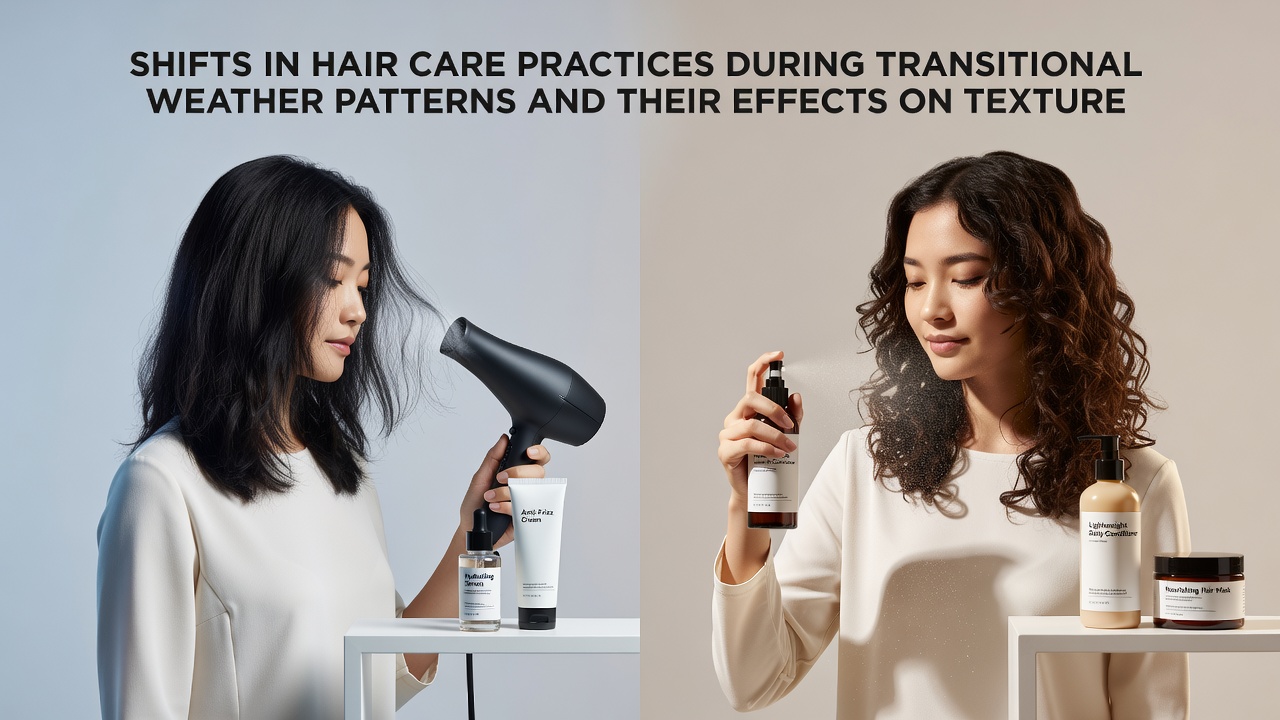
Application techniques shift as well, with more emphasis on even distribution through damp hair followed by diffusing or air-drying methods tailored to the day's dew point. Research indicates that mechanical stress from brushing wet hair rises during high-humidity days, so many adopt wider-tooth combs or finger-detangling to limit cuticle damage. Case examples from salon records reveal that clients who track weekly weather data report fewer split ends after implementing these timed changes.
Regional Patterns and Broader Data Trends
Geographic differences appear in how communities respond because coastal areas experience more persistent humidity swings than inland zones, leading to distinct product preferences documented in consumer surveys. In parts of North America, for instance, individuals incorporate protein treatments more frequently during fall transitions to reinforce weakened bonds after summer sun exposure. Meanwhile, reports from southern hemisphere regions highlight the reverse cycle, where spring brings drier winds that prompt added emollients. The National Oceanic and Atmospheric Administration provides datasets that correlate these atmospheric variables with self-reported hair concerns collected through health questionnaires.
Longer-term figures reveal gradual increases in the frequency of such transitional periods over recent decades, which has encouraged formulation changes by manufacturers seeking to address variable porosity. Those who've studied scalp microbiome responses note that pH-balanced cleansers become more common during these times to counteract the effects of rapid moisture cycling. Evidence from multiple tracking programs supports the link between sustained humidity variance and measurable shifts in hair diameter and tensile strength.
Conclusion
Overall patterns demonstrate that transitional weather drives predictable modifications in hair texture through direct physical interactions with moisture and temperature, and these drive corresponding updates in care sequences. Continued monitoring of atmospheric data alongside dermatological observations provides a basis for anticipating routine adjustments throughout the year.