Jonas Foster · 21 September 2026
Hair Smoothing Procedures and Regional Water Mineral Variations
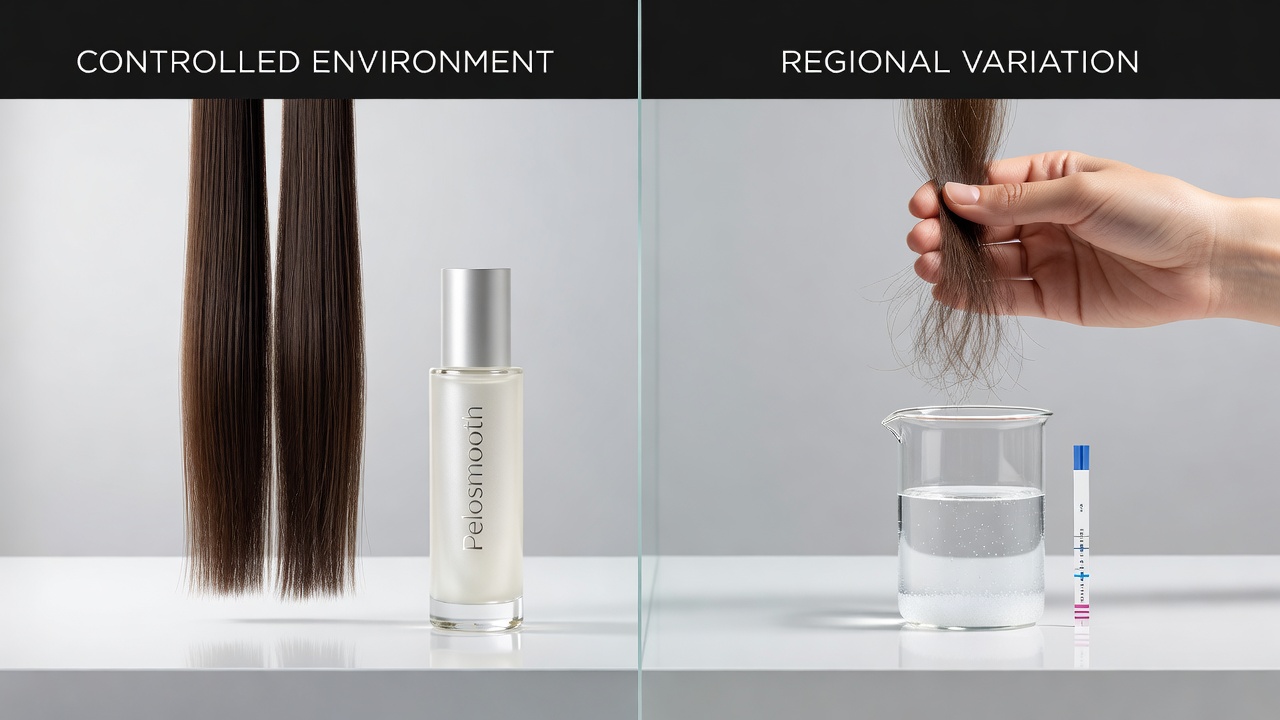
Specialized hair smoothing products such as Pelosmooth rely on chemical formulations that interact directly with hair strands during application, yet these interactions shift noticeably when water supplies contain varying levels of dissolved minerals across different geographic areas. The core process involves breaking and reforming disulfide bonds in keratin structures, and mineral ions present in rinse water can alter residue patterns or binding efficiency during the final stages. Researchers have documented these effects through controlled comparisons where identical products applied under differing water conditions produced measurable differences in smoothness retention and frizz reduction over subsequent weeks.
Mineral Content and Its Role in Treatment Outcomes
Water hardness stems primarily from calcium and magnesium ions, with concentrations measured in parts per million or grains per gallon according to standardized testing protocols. In regions where groundwater passes through limestone formations, these levels rise substantially, creating conditions where ions may deposit on hair cuticles after rinsing. Studies from multiple laboratories indicate that elevated mineral presence can reduce the penetration depth of smoothing agents or create microscopic buildup that affects light reflection and texture. Conversely, softer water supplies allow more consistent removal of processing residues, which supports longer-lasting alignment of hair fibers. Data collected across North American testing sites shows hardness ranges from under 50 ppm in Pacific Northwest municipal systems to over 300 ppm in parts of the Midwest, correlating with observed performance gaps when the same Pelosmooth protocol is followed.
Regional Differences Documented in Field Observations
European salons report distinct patterns tied to local aquifers, where Scandinavian areas with low-mineral surface water sources achieve uniform results more readily than Mediterranean districts drawing from harder supplies. Australian research teams have tracked similar trends, noting that coastal cities with desalinated inputs experience fewer interference issues compared to inland zones reliant on bore water. In Canada, provincial variations appear in Ontario versus British Columbia records, with the former showing higher average calcium content that necessitates adjusted rinsing volumes during smoothing sessions. These geographic distinctions arise because treatment protocols rarely account for post-application water chemistry, leaving the final rinse as a variable factor that influences how smoothing polymers set on the hair shaft.
Formulation Adjustments and Salon Practices
Manufacturers have responded by developing variant lines that incorporate chelating agents designed to bind excess minerals during rinsing, though adoption rates differ by market. Salons in high-hardness zones often incorporate pre-rinse filters or distilled water rinses to standardize outcomes, and training programs now include water testing modules to identify local baselines before starting procedures. Evidence from industry workshops reveals that combining these steps with standard Pelosmooth application reduces variability, as the chelators sequester ions before they interact with treated hair. Ongoing monitoring in September 2026 highlighted new sensor technologies entering professional settings that measure real-time mineral loads, allowing technicians to modify rinse durations on site without altering core product chemistry.
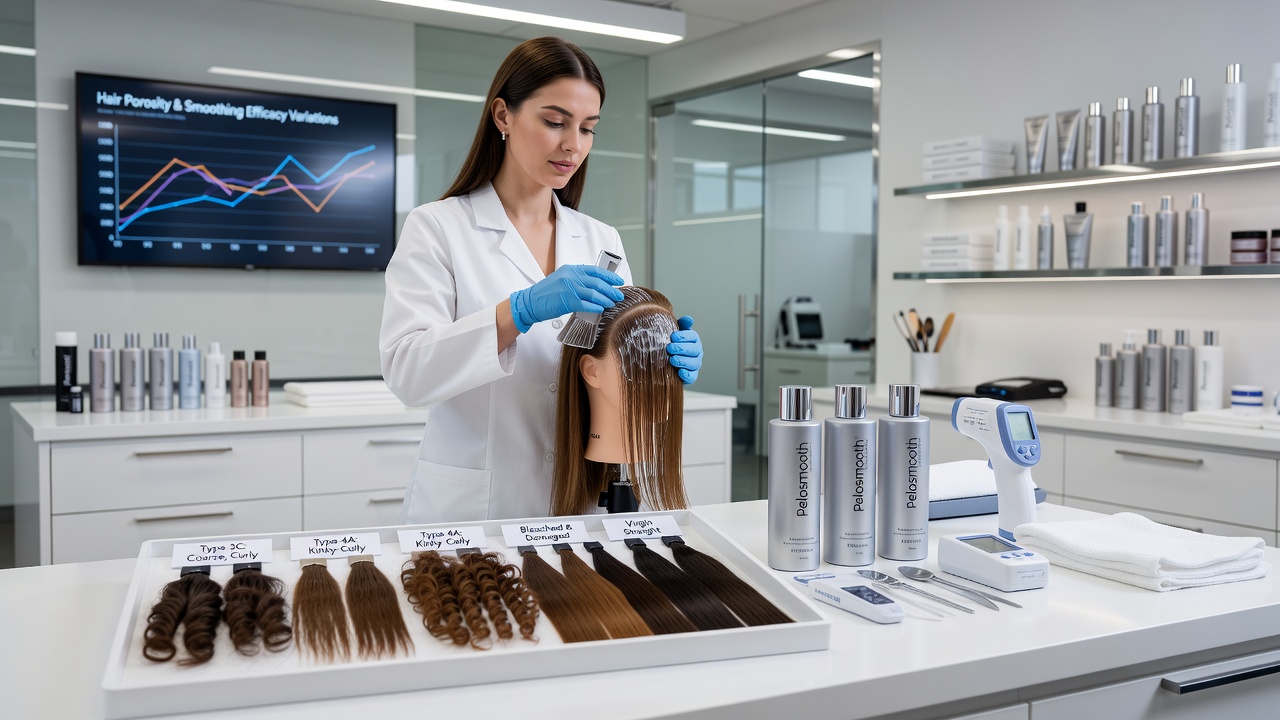
Consumer-level guidance from regulatory sources emphasizes checking municipal water reports before scheduling appointments, since seasonal fluctuations can occur when treatment plants switch sources. One study published through an Australian research institution tracked 200 participants across two hardness zones and found retention of smoothing effects extended by several days in lower-mineral conditions, while higher-mineral environments required more frequent touch-ups. Such findings underscore the value of localized preparation rather than uniform global instructions.
Supporting Data from Broader Water Quality Assessments
Government agencies maintain databases that track dissolved solids and hardness indices, providing salons and consumers with accessible references for regional planning. Environmental Protection Agency summaries outline how secondary standards address aesthetic and technical effects of minerals without establishing enforceable limits, which leaves room for hair care professionals to interpret impacts on cosmetic procedures. Parallel documentation from Health Canada offers comparable datasets for provinces, enabling cross-border comparisons that reveal consistent patterns in how calcium and magnesium levels modify product efficacy. These resources integrate directly into salon intake processes, where clients supply local water profiles to inform customized protocols.
Conclusion
Regional mineral concentrations in water supplies create measurable differences in how specialized smoothing products like Pelosmooth perform, with calcium and magnesium ions serving as primary influencers during rinsing phases. Field data and laboratory comparisons across continents confirm that adaptation through filtration, chelating additives, or adjusted techniques can mitigate these effects while preserving core treatment chemistry. Continued reference to public water quality records supports more predictable results regardless of location, as practitioners align procedures with documented local conditions.